Gum Recession Surgery in Glendale, CA
Your gums are an integral part of your smile, and they’re just as crucial to your oral health as your teeth. When you take care of your gums, you’re more likely to have a beautiful, thriving smile. 
Sometimes, however, your gums will struggle and face health challenges just like your teeth do. One of the biggest threats to the health of your gums is recession, and you’ll need to treat this condition right away if you start to notice it in your smile.
Recognizing Gum Recession
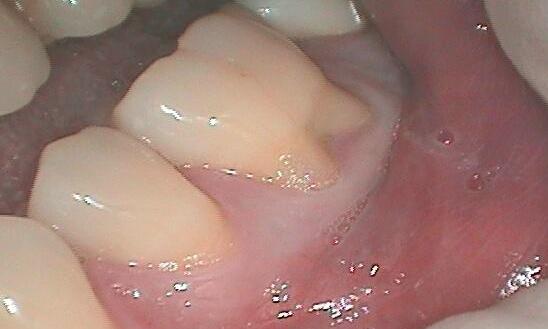
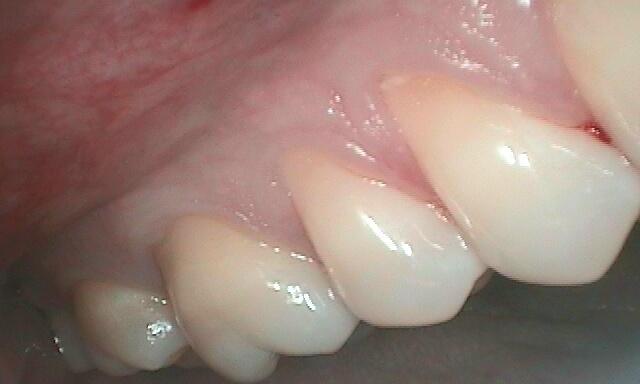
If your teeth look a little longer or larger than they used to, your teeth aren’t growing—your gums are most likely receding.
Much like a receding hairline that exposes more of a person’s scalp or forehead, gum recession will reveal a more substantial portion of teeth within a smile. This phenomenon inspired the common idiom “long in the tooth,” which people often use to describe older or elderly people who characteristically have receded gums.
Although some dentists and patients tend to gloss over gum recession, it’s a severe oral health concern that can lead to dental problems such as:
- Tooth sensitivity
- Root cavities
- Bone loss
- Premature tooth loss
Gum recession often occurs as a result of periodontal disease, but it’s also an unfortunate side effect of vigorous tooth brushing or using a toothbrush with bristles that are too hard.
If you suspect you might have receding gums in Glendale, CA, don’t hesitate to contact the dental office of Lucio H. Kim right away so we can provide treatment!
Gentle Gum Recession Treatment in Glendale, CA
Traditionally, gum recession treatments were uncomfortable, painful, and time-consuming.
In today’s modern world, however, we’re able to offer better and more effective treatments for our patients. Our Glendale, CA dentist, Dr. Lucio Kim, is proud to be one of the few dentists formally and extensively trained in a very forward (NON-experimental) method to treat gum recession.
This method, known as the Pinhole Surgical Technique (PST), uses a minimally invasive strategy to combat gum recession. To perform the treatment, Dr. Kim makes a tiny hole in a patient’s gum tissue using a dental needle. Through that hole, he can guide and loosen the gum tissue using special dental instruments to spread the tissue out more evenly and promote new growth.
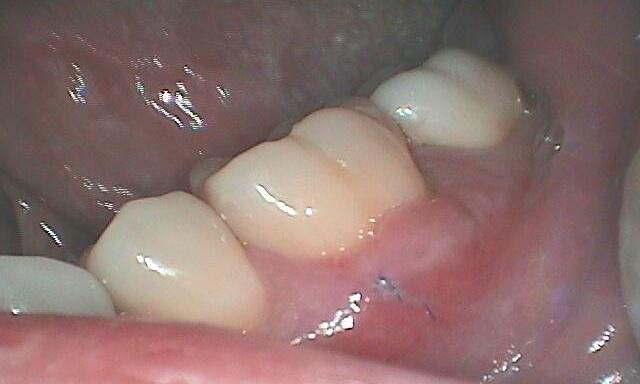
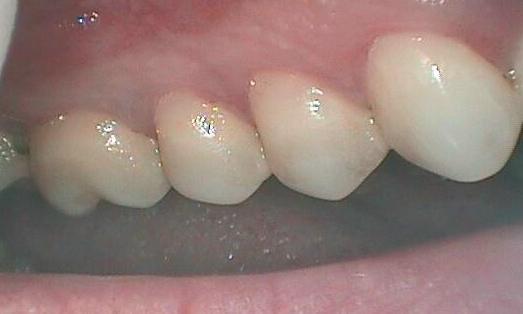
After a Pinhole gum surgery at our Glendale, CA office, your gums will be visibly farther down your teeth—reducing the appearance of receding gums and of being “long in the tooth.” Because the Pinhole Surgical Technique uses collagen strips to anchor the gum tissue instead of traditional sutures, your healing time should be shorter and less painful than if you received conventional treatment.
See the video below for an animated walk-through of the procedure:
Advantages of the Pinhole Gum Surgical Technique
Benefits of Pinhole gum surgery include:
- No cutting with scalpels
- No sutures
- No cutting of the palate
- No downtime from work or life
- Gum rejuvenation for the “long tooth” smile syndrome
- No pain during the procedure and minimal discomfort afterward
- No grafting
- Much quicker procedure than the traditional gum grafting procedure
- More economical than gum grafting
To learn more about the advantages of this modern treatment, don’t hesitate to reach out to our dental practice.
Schedule Gum Recession Treatment Consultation in Glendale, CA
If you’re experiencing problems caused by gum recession—such as tooth sensitivity, cavities, bone loss, dark lines around crowns or fillings, or a “long-tooth” appearance—our team can help restore your smile and comfort. Call the office of Lucio H. Kim, DDS at (818) 242-3739 today to schedule your consultation and learn more about your treatment options!
Gum Recession Treatment in Glendale: Protect Your Investment Long-Term
After successful PST treatment, simple daily habits and regular professional care help maintain your restored gumline for years to come.
Gentle Daily Care
Use a soft-bristled toothbrush with light pressure to protect your restored gums and prevent re-recession.
Regular Monitoring
Routine cleanings and checkups help ensure your gums stay healthy and catch any changes before they become more severe.
Healthy Habits
Address teeth grinding, periodontal disease, tobacco use, and aggressive brushing to maintain stable results.
Frequently Asked Questions
Unfortunately, when you lose gum tissue to recession due to gum disease or vigorous brushing or teeth grinding, it cannot grow back.
However, if your gum recession is mild, it doesn't put your teeth at risk. Gum recession becomes a problem when it leads to root exposure, which can be painful and cause damage to your tooth.
You can stop gum recession with excellent oral hygiene by using proper brushing techniques and daily flossing to remove bacteria from between your teeth.
Routine visits to your Glendale, CA dentist every six months for teeth cleanings and checkups will also help you avoid gum recession.
If you grind your teeth at night (bruxism) while you sleep, it can also lead to gum recession. Your dentist may discuss making a night guard for you to wear while you're sleeping to protect your teeth from damage and your gums from the recession that bruxism causes.
Dr. Kim also offers a less invasive procedure to help manage gum recession called the Pinhole Surgical Technique (PST). This innovative procedure allows him to promote new growth by spreading your gum tissue out more evenly.
Why Gum Loss Is So Bad for Your Oral Health
Your gums act like a tight turtleneck and form a tight seal around your teeth. This prevents bacteria from seeping in below the gum line and causing damage.
If your gums "recede" or shrink away from your teeth, that protection is diminished, and the chance that the tooth with become infected or loosen from the gums increases.
As the problem worsens, gum loss can cause:
- Tooth sensitivity to temperature change
- Exposure to the tooth's root creates the risk of root cavities
- Significantly increased plaque build-up under the gum line as bacteria get deeper
- Chronic bad breath
- Tooth loss as the gum surrounding the tooth and holding it in place retreats
- Bone loss in the jaw
- Bacterial exposure to the bloodstream potentially compromises the immune system
Over the years, gum recession may be slightly annoying or not even noticeable. But gone unchecked for a while, you can ultimately lose that tooth.
What Causes Gums to Become Recessed?
Sometimes trauma or injury caused by brushing too hard can cause permanent damage to the gums and cause them to recede. However, bacteria often cause the build-up of plaque under the gums. Plaque pushes the gums away from the tooth, breaking the seal the gums should form around it, inflaming it, and eventually causing it to recede.
The first stage of this process is called gingivitis and is fully reversible. However, after that, the damage the plaque and tartar do to the gums cannot be reversed, but it can still be managed and prevented from causing even more damage.
In some cases, if caught early enough, a simple minor gum recession repair surgery is all that is needed to correct the gums and restore that protection to the tooth.
The minor gum procedure is called the Pinhole Technique or a Tunneling Technique. Dr. Kim is well-trained in this procedure and can let you know what to expect in terms of recovery and surgical results.
If the damage is too significant, we need to perform a more extensive procedure to help repair the damage. And if it goes beyond there, the chances of saving the tooth become slim; then we start talking about dental implants to replace that tooth.
Gum Disease Treatment in Glendale, CA
Call for a consultation and see what Dr. Kim can do for you. If you are dealing with the discomfort of gum recession, contact your Glendale dentist today at (818) 242-3739 to learn more about how we can help you.
Unfortunately (like this actual patient shown in the picture) we need to remove the tooth.

Meet Our Doctor:
Lucio H. Kim DDS
Dr. Kim obtained his Bachelors of Science degree at UC San Diego in Biochemistry and Molecular Biology. Dr. Kim attended dental school at the University of Southern California.
After obtaining his DDS at USC, Dr. Kim went on to complete a residency at the highly competitive UCLA Advanced Education in General Dentistry (AEGD) postgraduate program, where he focused on reconstructive, restorative, and implant dentistry.
He has also received advanced training for dental implants at the Misch International Implant Institute and at the Global ...
Featured Blog Posts - Gum Recession Treatment
Recovery From Gum Recession: A Guide to Effective Treatment Plans
Gum recession is a silent and slow-moving problem that can sneak up on your smile. It can be a side effect of gum disease or the result of vigorous brushing with a hard bristle toothbrush.
Today, we'll discuss why gum recession is problematic, what you can do about it, and how ...
Can Receding Gums Grow Back? What You Need to Know Now
Updated on August 13th, 2025
Wondering if your gums can grow back? While lost gum tissue doesn’t naturally regenerate, there are proven treatments to restore your smile and prevent further damage. Here’s what causes gum recession, how to stop it, and the latest options your Glendale dentist offers.
Of course, gums recede ...
Recognizing the Signs of Gum Disease and Recession
We offer gum disease treatment in Glendale, CA, and gum recession therapy. We do this because there are serious oral health issues that can lead to severe complications, including:
- Tooth loss
- Root cavities
- Jawbone deterioration
- Heart health issues
- Lung health issues
Gum disease has even been linked to Alzheimer’s disease and low birth weight in ...