Gum Recession Treatment
Stop Gum Recession with Gentle Treatment

Learn more about why our gum recession treatment is more gentle than traditional treatment!

Man smiling after gum recession treatment in Glendale, CA
Take Care of Your Gums — Call Our Dentist Today
Start Treatment Now!

Gum Recession Treatment in Glendale, CA: Pinhole Surgical Technique and Your Options


Your gums are an integral part of your smile, and they’re just as crucial to your oral health as your teeth. When you take care of your gums, you’re more likely to have a beautiful, thriving smile.  

Sometimes, however, your gums will struggle and face health challenges just like your teeth do. One of the biggest threats to gum health is recession, and you’ll need to treat it right away if you notice it in your smile. 

How Do I Know If My Gums Are Receding?

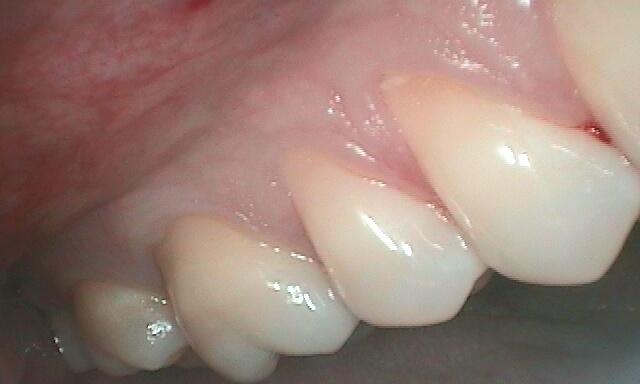
If your teeth look a little longer or larger than they used to, your teeth aren’t growing—your gums are most likely receding. 

Although some dentists and patients tend to gloss over gum recession, it’s a severe oral health concern that can lead to dental problems such as:

  • Tooth sensitivity 
  • Root exposure
  • Bone loss
  • Premature tooth loss 

Gum Recession Treatment in Glendale: Protect Your Investment Long-Term

After successful PST treatment, simple daily habits and regular professional care help maintain your restored gumline for years to come.

Gentle Daily Care

Use a soft-bristled toothbrush with gentle, light pressure can help protect your restored gum tissue and prevent re-recession.

Regular Monitoring

Routine dental cleanings and checkups ensure your gums stay healthy and catch any changes before they become severe.

Healthy Habits

Address teeth grinding, periodontal disease, tobacco use, and aggressive brushing to help maintain healthy, stable results.

Frequently Asked Questions

Unfortunately, when you lose gum tissue to recession due to gum disease or vigorous brushing or teeth grinding, it cannot grow back.

However, if your gum recession is mild, it doesn't put your teeth at risk. Gum recession becomes a problem when it leads to root exposure, which can be painful and cause damage to your tooth.

You can stop gum recession with excellent oral hygiene by using proper brushing techniques and daily flossing to remove bacteria from between your teeth.

Routine visits to your Glendale, CA dentist every six months for teeth cleanings and checkups will also help you avoid gum recession.

If you grind your teeth at night (bruxism) while you sleep, it can also lead to gum recession. Your dentist may discuss making a night guard for you to wear while you're sleeping to protect your teeth from damage and your gums from the recession that bruxism causes.

Dr. Kim also offers a less invasive procedure to help manage gum recession called the Pinhole Surgical Technique (PST). This innovative procedure allows him to promote new growth by spreading your gum tissue out more evenly. 

Why Gum Loss Is So Bad for Your Oral Health

Your gums act like a tight turtleneck and form a tight seal around your teeth. This prevents bacteria from seeping in below the gum line and causing damage.

If your gums "recede" or shrink away from your teeth, that protection is diminished, and the chance that the tooth with become infected or loosen from the gums increases.

As the problem worsens, gum loss can cause:

  • Tooth sensitivity to temperature change
  • Exposure to the tooth's root creates the risk of root cavities
  • Significantly increased plaque build-up under the gum line as bacteria get deeper
  • Chronic bad breath
  • Tooth loss as the gum surrounding the tooth and holding it in place retreats
  • Bone loss in the jaw
  • Bacterial exposure to the bloodstream potentially compromises the immune system

Over the years, gum recession may be slightly annoying or not even noticeable. But gone unchecked for a while, you can ultimately lose that tooth.

What Causes Gums to Become Recessed? 

Sometimes trauma or injury caused by brushing too hard can cause permanent damage to the gums and cause them to recede. However, bacteria often cause the build-up of plaque under the gums. Plaque pushes the gums away from the tooth, breaking the seal the gums should form around it, inflaming it, and eventually causing it to recede.

The first stage of this process is called gingivitis and is fully reversible. However, after that, the damage the plaque and tartar do to the gums cannot be reversed, but it can still be managed and prevented from causing even more damage.

In some cases, if caught early enough, a simple minor gum recession repair surgery is all that is needed to correct the gums and restore that protection to the tooth.

The minor gum procedure is called the Pinhole Technique or a Tunneling Technique. Dr. Kim is well-trained in this procedure and can let you know what to expect in terms of recovery and surgical results.

If the damage is too significant, we need to perform a more extensive procedure to help repair the damage. And if it goes beyond there, the chances of saving the tooth become slim; then we start talking about dental implants to replace that tooth.

Gum Disease Treatment in Glendale, CA

Call for a consultation and see what Dr. Kim can do for you. If you are dealing with the discomfort of gum recession, contact your Glendale dentist today at (818) 242-3739 to learn more about how we can help you.

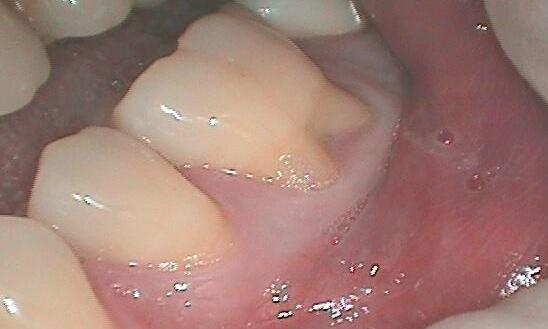
Unfortunately (like this actual patient shown in the picture) we need to remove the tooth.

example of gum recession on teeth


What Causes Gum Recession, and Can It Be Stopped?

Digital X ray at dentists office in Glendale, CA

Gum recession often results from periodontal (gum) disease, but it’s also an unfortunate side effect of vigorous tooth brushing or using a toothbrush with bristles that are too hard. 

If vigorous brushing is causing your recession, you may be able to prevent it by using an electric toothbrush. An electric toothbrush alerts you if you’re pressing too hard and also times your brushing sessions.

If you suspect you might have receding gums in Glendale, CA, don’t hesitate to contact the dental office of Lucio H. Kim right away so we can provide treatment. 

Gentle Gum Recession Treatment in Glendale, CA 

Traditionally, gum recession treatments were uncomfortable, painful, and time-consuming.

Today, however, we can offer better, more effective treatments for our patients. Our Glendale dentist, Dr. Lucio Kim, is proud to be one of the dentists formally and extensively trained in an innovative method for receding gum treatment.

How Does the Pinhole Surgical Technique Work?

This method, known as the Pinhole Surgical Technique (PST), uses a minimally invasive strategy to combat gum recession. To perform the treatment, Dr. Kim makes a tiny hole in a patient’s gum tissue using a dental needle. Through that hole, he can guide and loosen the gum tissue with special dental instruments to spread it more evenly and promote new growth. 

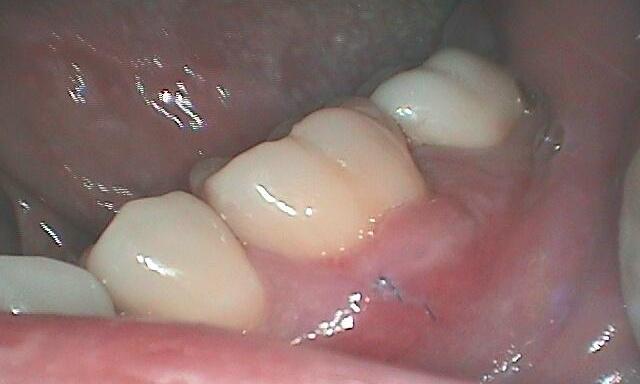
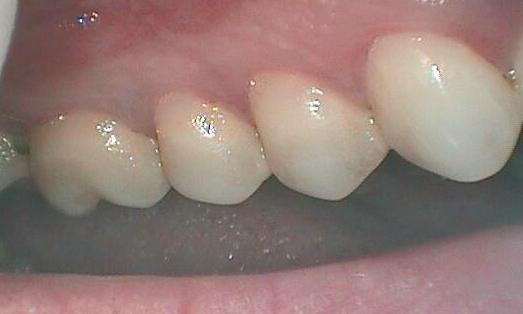
After Pinhole gum surgery in Glendale, your gums will be visibly farther down your teeth, reducing the appearance of receding gums and of being “long in the tooth.”

Because the Pinhole Surgical Technique uses collagen strips to anchor the gum tissue instead of traditional sutures, your healing time should be shorter and less painful than with conventional treatment. 

See the video below for an animated walk-through of the procedure:

Advantages of the Pinhole Gum Surgical Technique

Benefits of Pinhole gum surgery include: 

  • No cutting with scalpels
  • No sutures
  • No cutting of the palate
  • Less downtime from work or life
  • Gum rejuvenation for the “long tooth” smile syndrome
  • Less pain during the procedure and minimal discomfort afterward
  • No grafting
  • Much quicker procedure than the traditional gum grafting procedure
  • More economical than gum grafting

To learn more about the advantages of pinhole gum surgery in Glendale, don’t hesitate to contact our dental practice. 

Am I a Candidate for Pinhole Treatment, or Would I Need a Gum Graft?

PST is ideal for patients with mild to moderate recession. We can often treat several teeth at once, and recovery time is typically faster than with a gum graft.

If you have active gum disease, thinning gums, or severe recession and root exposure, a traditional gum graft treatment may be better for your needs. Dr. Kim will recommend the right treatment for you during an initial evaluation.

What Does the Research Say About the Pinhole Surgical Technique?

Dr. John Chao, a dentist, developed the Pinhole Surgical Technique. In 2012, he published a study of 121 areas of gum recession treated with it. The study looked at mild to moderate recession without bone loss (called Miller Class I and II).

Across those cases, recession was reduced by about 94 per cent, and the exposed root was fully covered in 81 per cent of treated teeth. Other published case series have reported similar root coverage. Most of this evidence comes from the technique’s inventor and from small case studies rather than large independent trials, so the results are encouraging but not the final word.

What Is Recovery Like After Pinhole Gum Surgery?

Pinhole treatment tends to work best for early to moderate recession, and you’ll need to eat soft foods and avoid disturbing the surgical site for the first few weeks after surgery. Avoid brushing around the treated teeth until Dr. Kim clears you. Also avoid suction or air pressure that can irritate the surgical site for the first six weeks after surgery.

Dr. Kim will give you aftercare instructions to follow closely for several weeks afterward.

Featured Blog Posts - Gum Recession Treatment

March 28, 2024

Recovery From Gum Recession: A Guide to Effective Treatment Plans

Woman looking at her teeth after gum recession treatment, glendale ca

Gum recession is a silent and slow-moving problem that can sneak up on your smile. It can be a side effect of gum disease or the result of vigorous brushing with a hard bristle toothbrush. 

Today, we'll discuss why gum recession is problematic, what you can do about it, and …

October 29, 2022

Can Receding Gums Grow Back? What You Need to Know Now

Black woman getting her gums inspected, glendale ca

Updated on August 13th, 2025

Wondering if your gums can grow back? While lost gum tissue doesn’t naturally regenerate, there are proven treatments to restore your smile and prevent further damage. Here’s what causes gum recession, how to stop it, and the latest options your Glendale dentist offers.

Of course, …

February 15, 2022

Recognizing the Signs of Gum Disease and Recession

Older white woman smiling, glendale ca

We offer gum disease treatment in Glendale, CA, and gum recession therapy. We do this because there are serious oral health issues that can lead to severe complications, including:

  • Tooth loss
  • Root cavities
  • Jawbone deterioration
  • Heart health issues
  • Lung health issues

Gum disease has even been linked to Alzheimer’s disease …

How Can I Protect My Results Long-Term?

Here are some helpful tips for maintaining your PST results:

  • Gentle daily brushing with a soft-bristled toothbrush
  • Careful, gentle flossing
  • Wear a night guard to protect against teeth grinding (bruxism)
  • Visit your Glendale dentist for routine professional cleanings and exams

Schedule Gum Recession Treatment Consultation in Glendale, CA

If you’re experiencing problems caused by gum recession, such as tooth sensitivity, cavities, bone loss, dark lines around crowns or fillings, or a “long-tooth” appearance, our team can help restore your smile and comfort.

Call the office of Lucio H. Kim, DDS, at (818) 242-3739 today to schedule your consultation, where Dr. Kim will examine your gums and discuss whether pinhole treatment or another approach makes the most sense for you.

Schedule Gum Recession Treatment in Glendale
Reach Out Today